
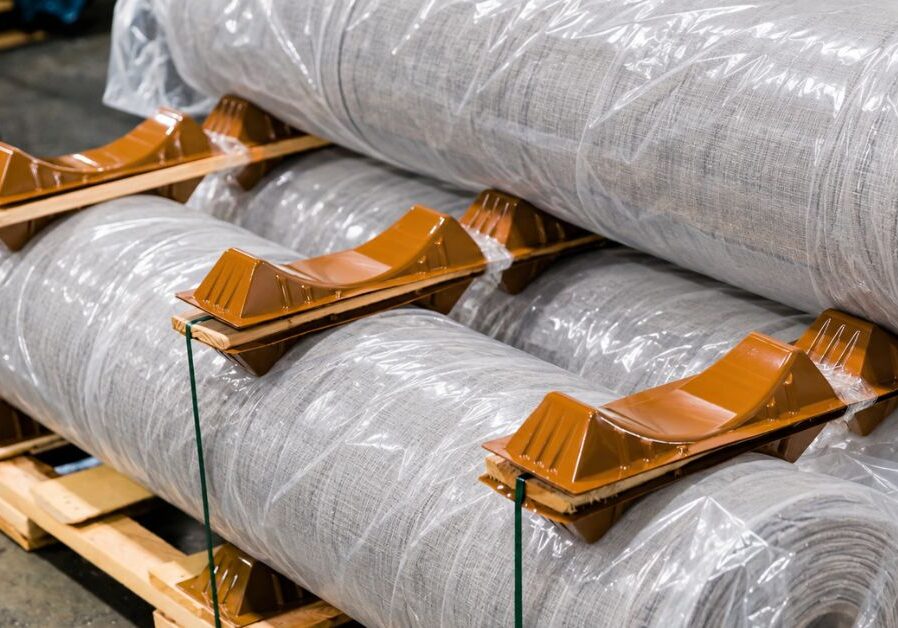
Ordering Roll Cradles for Fabric
Getting the right cradle under your rolls takes four steps.
Pros of Roll Cradles for Fabric
Plastic cradles address the failure modes that hit rolled textiles hardest.

No Fiber Transfer onto the Goods
PET has a sealed face. Nothing flakes, powders, or sheds onto the fabric, so white, pastel, and high-sheen material comes out of the cradle the same shade and condition as it went in. Molded pulp can do just the opposite, shedding particles that show up as specks on the face of the roll and interfere with adhesion downstream at the laminator or printer.

Moisture Stays Out of the Support
Pulp and fiber cradles pull water from humid air, wet docks, and ocean containers, which weakens the strength of the cradle and no longer gives sturdy support to your rolls. Wet pulp cradles can also cause tide lines, mildew, and color shift. Plastic does not absorb, so outdoor staging and container shipping stop being a packaging-driven moisture risk.

Load Spread Along the Roll Body
The molded channel carries the roll across a contact area rather than a line. Edges stop taking the full weight of the stack, which is what causes the set marks and flat spots that will not shake out on the cutting table. On woven and coated fabric, a crease that sets means downgrading a full roll over damage to a few yards.

Crush Resistance Under Stacking
A support that compresses lets the upper roll settle into the one below it, distorting the core and making the roll harder to load onto an unwind stand. CradlePak holds the shape of your rolls under stacking pressure, so the pallet arrives configured the way it was built.

Reusable Across Trips
Fabric moves through converters, cut-and-sew shops, and distribution centers. When used properly, our plastic cradles can survive that loop and come back for another run. Pulp rarely makes a second trip.

Nesting That Clears Floor Space
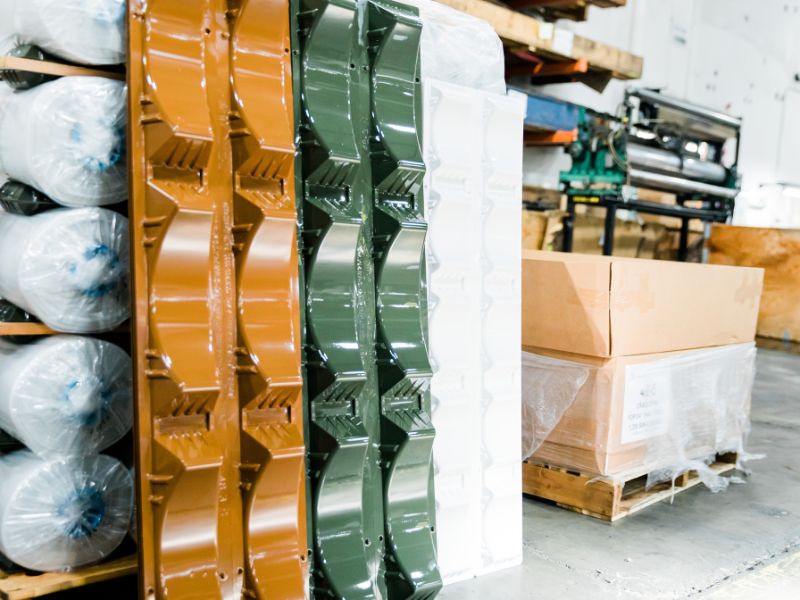
Empty CradlePaks stack far tighter than pulp. Roughly 2,400 CradlePaks occupy the same space as 360 pulp cradles, so staging inventory stops eating a full bay of your warehouse.

Compare Roll Cradle Options for Fabric
| Feature | CradlePak Plastic | Pulp / Fiber | Foam |
|---|---|---|---|
| Fiber transfer onto goods | None | Sheds dust | Can leave residue |
| Moisture resistance | Waterproof | Absorbs water | Water resistant |
| Reusability | Multi-use | Rarely | Sometimes |
| Nesting footprint | Best-in-class | Moderate | Moderate |
| Surface against fabric | Smooth molded face | Rough, abrasive | Soft, can deform |
| Disposal cost | Low or none | Moderate | Moderate |
Fabric and Textile Rolls We Support
From apparel goods to geotextiles up to 48 inches in diameter.


Choosing a Cradle Size for Fabric Rolls
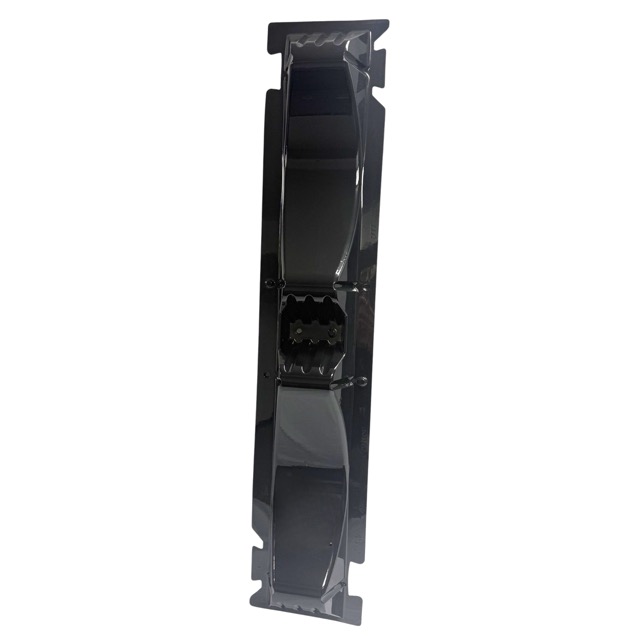
Start with the outside diameter, which determines the cradle profile, then pick the cradle length that supports your roll width. Most fabric customers land in these sizes:
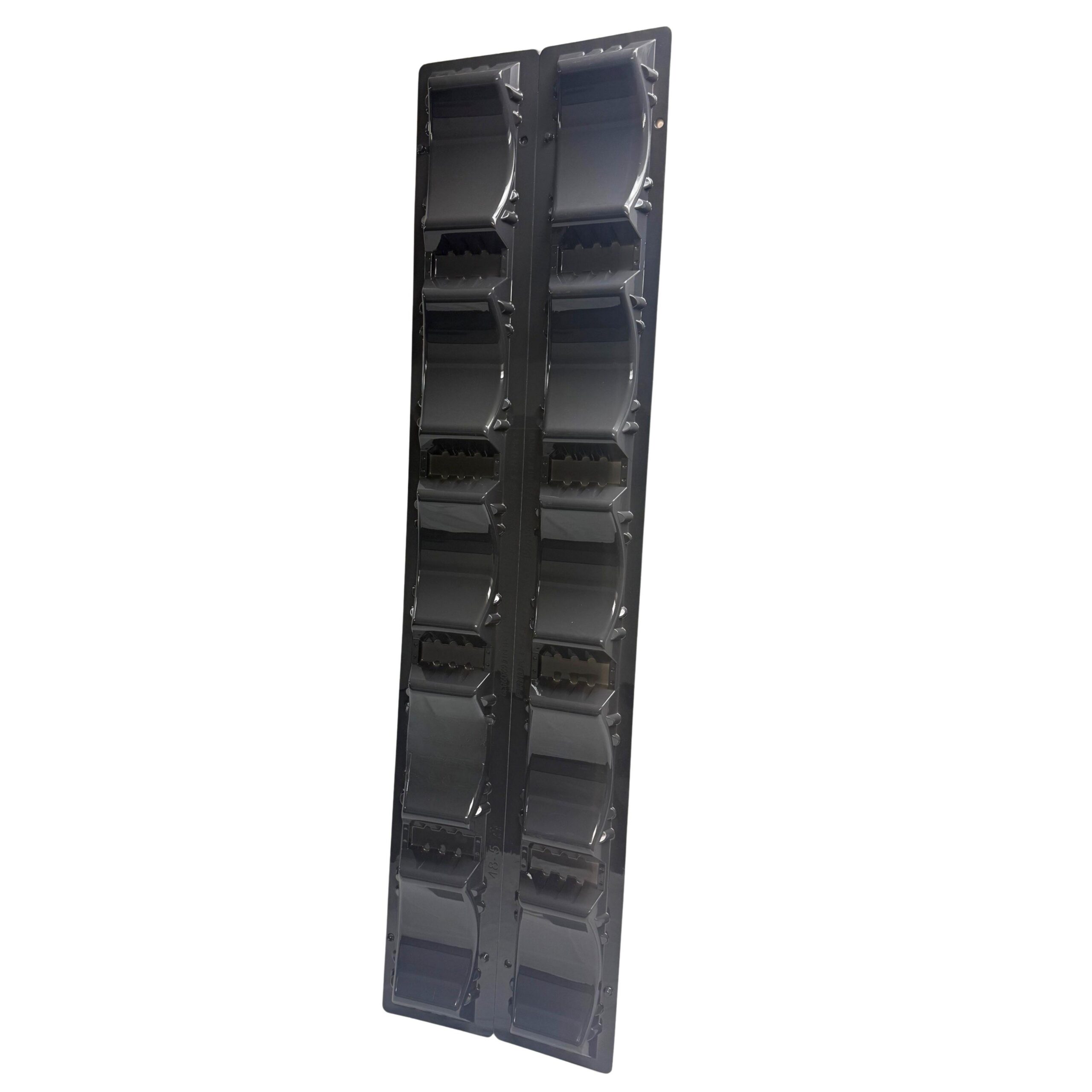
48-5
48 inch · 5-roll
OD 8″ – 9.5″
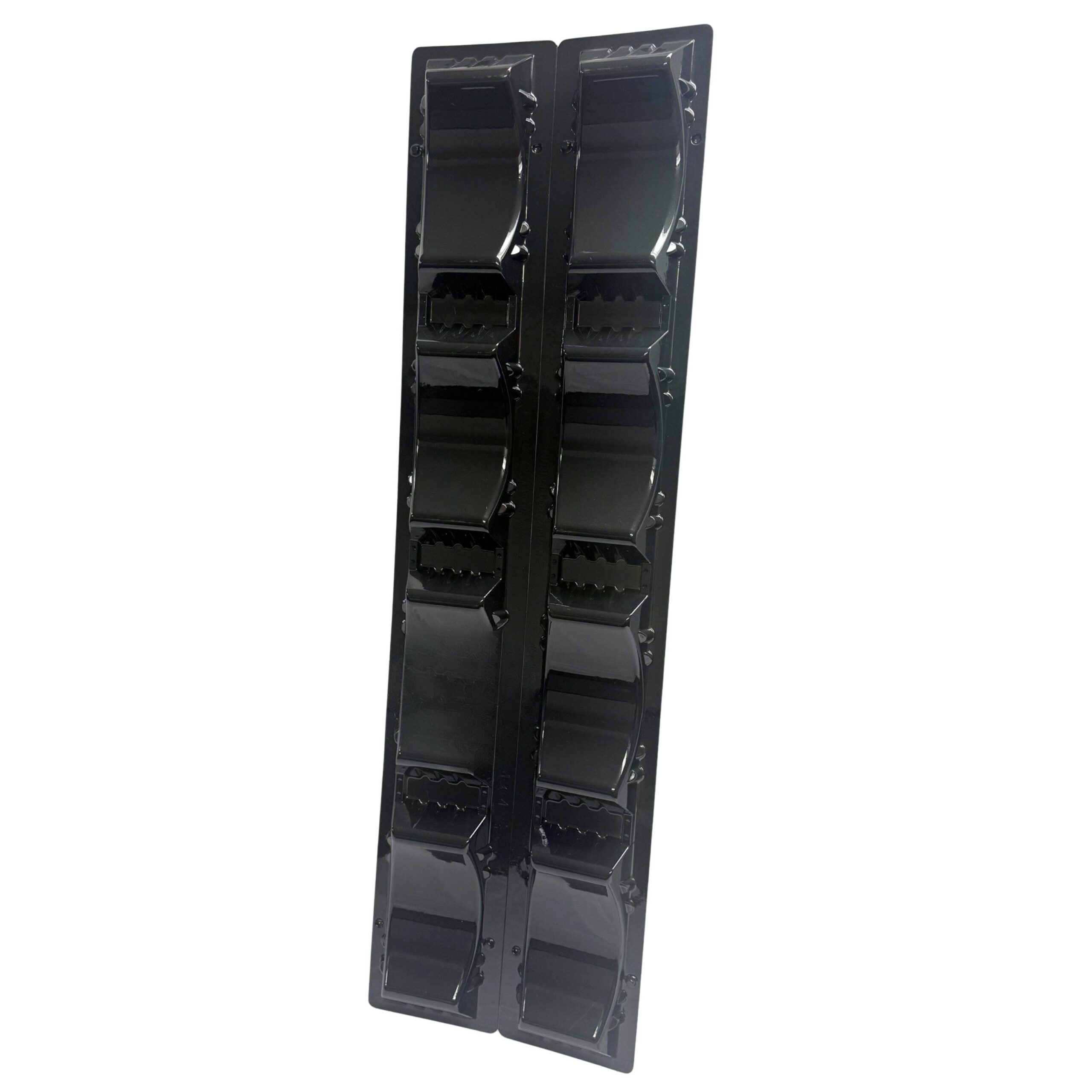
42-4
42 inch · 4-roll
OD 9″ – 10.5″
48-4
48 inch · 4-roll
OD 10″ – 12″
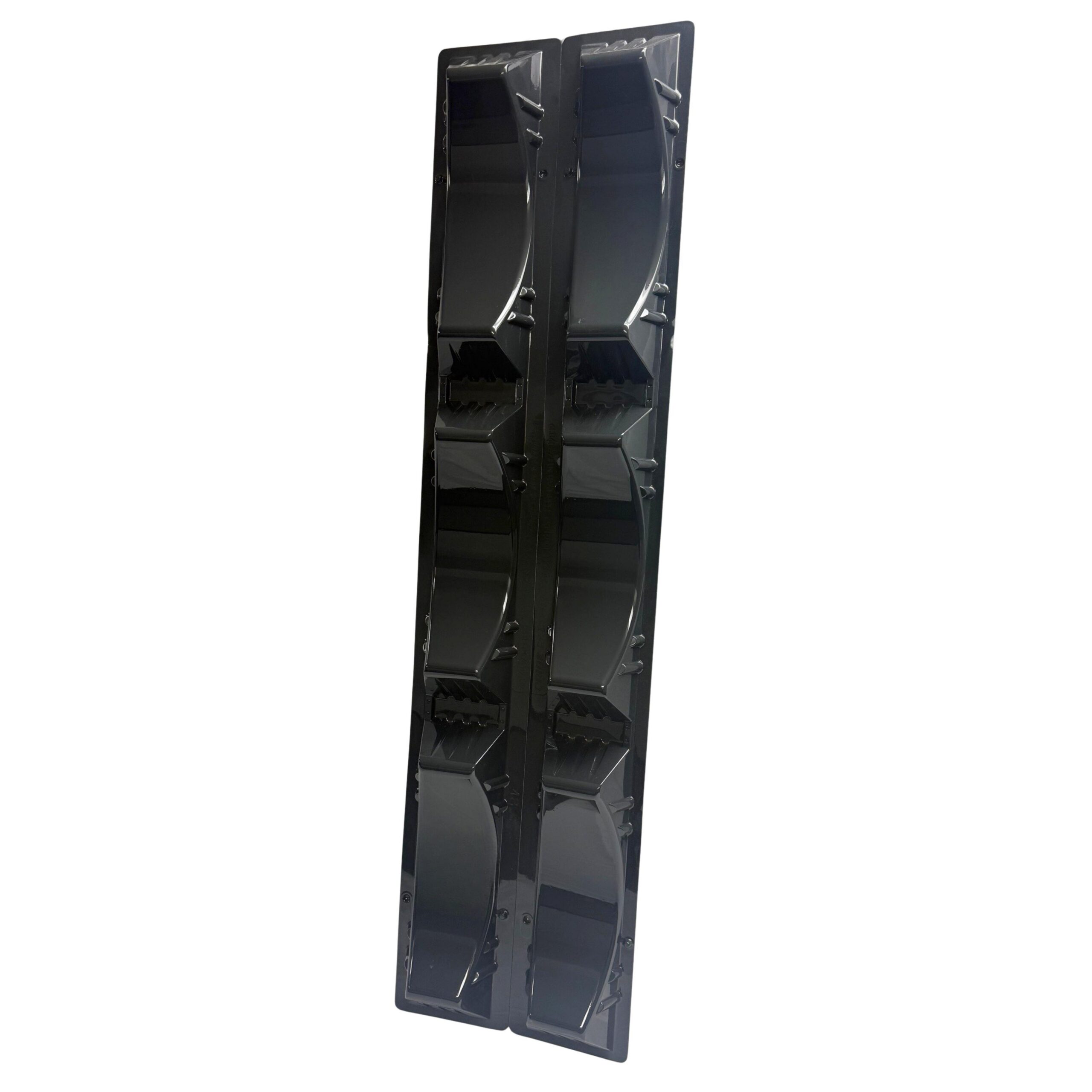
42-3
42 inch · 3-roll
OD 12″ – 14″
48-3
48 inch · 3-roll
OD 14″ – 16″
36-2
36 inch · 2-roll
OD 16″ – 18″
42-2
42 inch · 2-roll
OD 18″ – 21″
48-2
48 inch · 2-roll
OD 21″ – 24″

42-4LP / 48-4LP
4-roll with lip
For rolls needing lateral support

Technical Specs
- Thermoformed PET, 0.06 inch standard wall thickness
- Load capacity up to 6000 lbs. per bottom cradle pair, varying by roll material and pallet configuration
- UV- and moisture-resistant
Handling
- Denesting flutes for fast separation
- Perforated pairs separate into singles for the top and bottom layers of a pallet
Pricing Factors for Roll Cradles
Our pricing depends on several factors:
- Cradle Size: Larger profiles use more material per unit.
- Order Volume: Higher quantities lower the per-unit cost.
- Roll Weight and Configuration: Pallet specs and/or heavier goods may call for a different profile.
- Freight Distance: Compact nesting keeps shipping cost down, and our Yakima plant shortens the haul for West Coast customers.
- Reuse Cycle: Cradles that come back for a second and third trip change the per-shipment math.
Contact us for a quote based on your roll dimensions and shipping volume.

Why Choose Tamarack?
Made in the USA
Every CradlePak is thermoformed at our plant in Yakima, WA. Domestic production means shorter lead times, direct communication, and no overseas freight schedule between you and your packaging.
Recycled and Recyclable
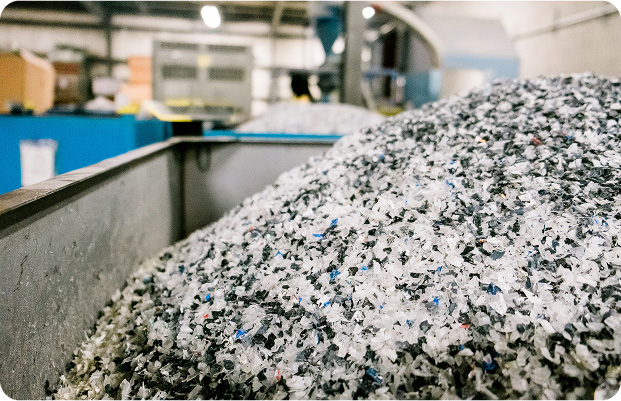
CradlePak is made from recycled PET, Recycling Code #1, which takes 79 percent less energy to produce than virgin plastic. Send used cradles back to us or drop them at any PET recycling facility, which removes the disposal line item and supports the material circularity reporting many textile customers now track.

Sample Before You Switch
We’re happy to send you samples! Request a sample pack, run it on your line, and see how the plastic cradles save space, time and hold your rolls before placing an order.
Put Fabric Rolls in a Cradle Built for Them
Send us your roll outside diameter, weight, and pallet configuration. We will match a cradle size, quote pricing and lead time, and get samples out so you can use them in your specific process before you commit.
Send roll OD, weight, and pallet configuration
We match a cradle size and quote pricing and lead time
Samples ship out so you can run them on your line

Frequently Asked Questions
PET has a smooth, sealed surface with no fibers to transfer and no rough edges to abrade the goods. That is the main reason textile customers move off pulp cradles.
Start with your roll outside diameter, which sets the cradle profile, then choose the cradle length that matches your pallet dimensions. Most fabric rolls fall in our 42 inch and 48 inch length cradles, which accommodate anywhere from 6″ to 48″ roll diameters. Send us your dimensions and we will confirm the match.
Yes. Each bottom cradle pair supports up to 6,000 lbs., with actual capacity varying by roll material and pallet configuration.
Yes. The cradles do not absorb water, so container humidity and condensation will not degrade the support or wick moisture into the roll.
Yes. When used correctly, CradlePak can withstand repeat trips through converting, warehousing, and distribution.
Yes. Request a sample pack to use with your production before placing a full order.