
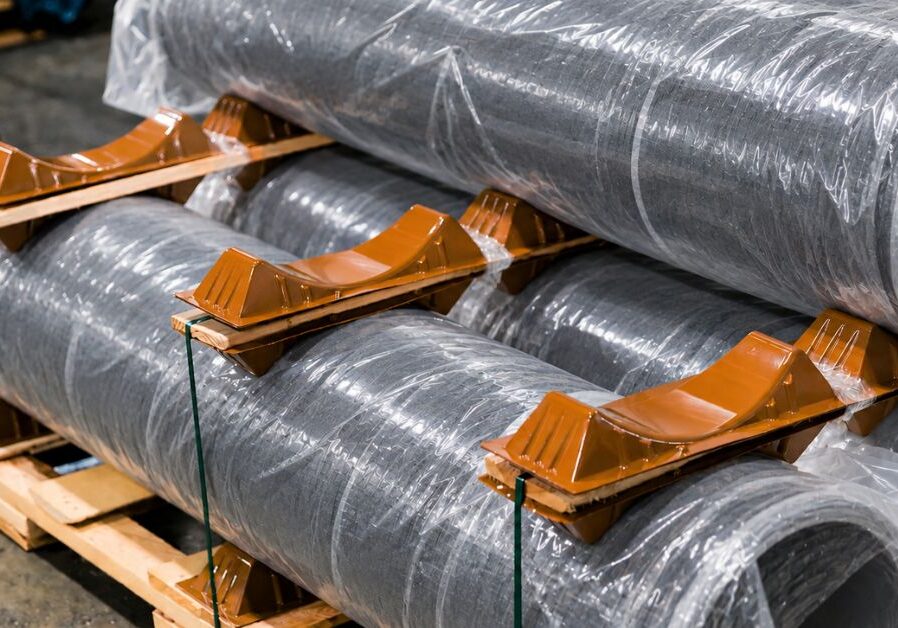
Ordering Roll Cradles for Pipe
Getting the right cradle under your rolls takes four steps.
Pros of Roll Cradles for Pipe
Plastic cradles address the failure modes that hit pipe hardest.

Keeps Pipe From Rolling
The molded channel seats each pipe or coil by its outside diameter, so the load stays put through handling, transit, and stacking. That is the difference between a stable pallet and pipe that shifts, rolls off a stack, or slides on the trailer.

Moisture Stays Out of the Support
Pipe often stages outdoors for weeks and ships in ocean containers. Wood dunnage soaks up rain, dock water, and container humidity, then rots, warps, and can stain the pipe. Plastic does not absorb, so outdoor yard storage and container shipping stop being a packaging-driven moisture risk.

No Marring on the Pipe Surface
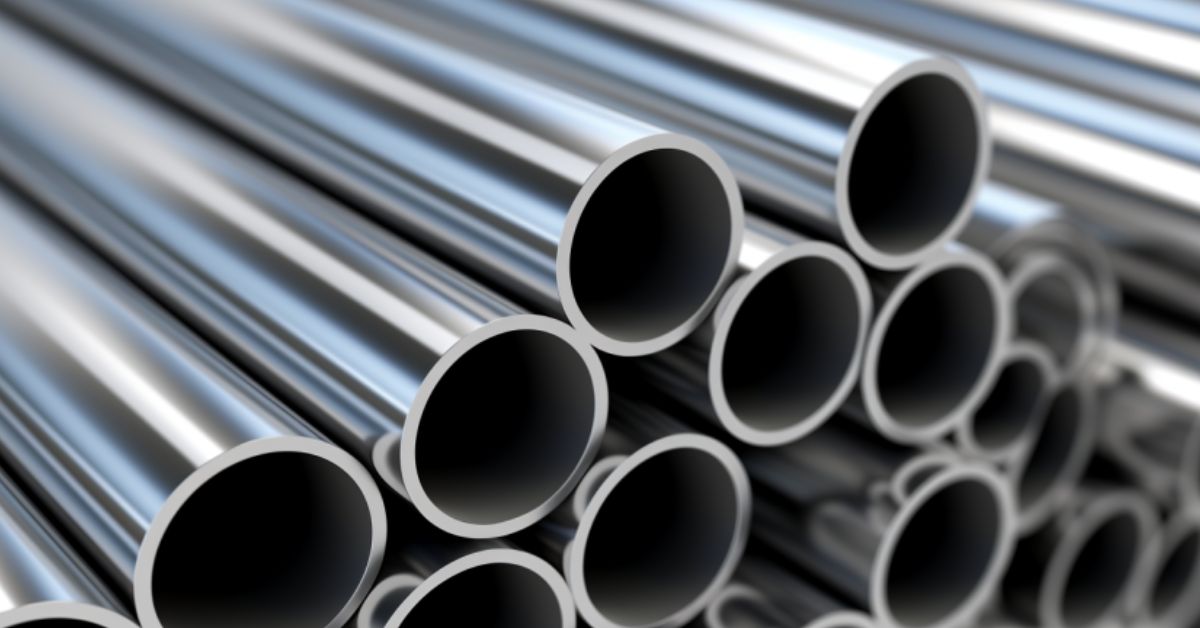
PET has a sealed, smooth face. Nothing on the cradle abrades coated steel, powder-coated, painted, or plastic pipe, so the finished pipe comes out of the cradle the same condition it went in. Cut timber and rough dunnage can gouge or scuff a finish that then has to be touched up or scrapped.

Load Spread Along the Pipe Body
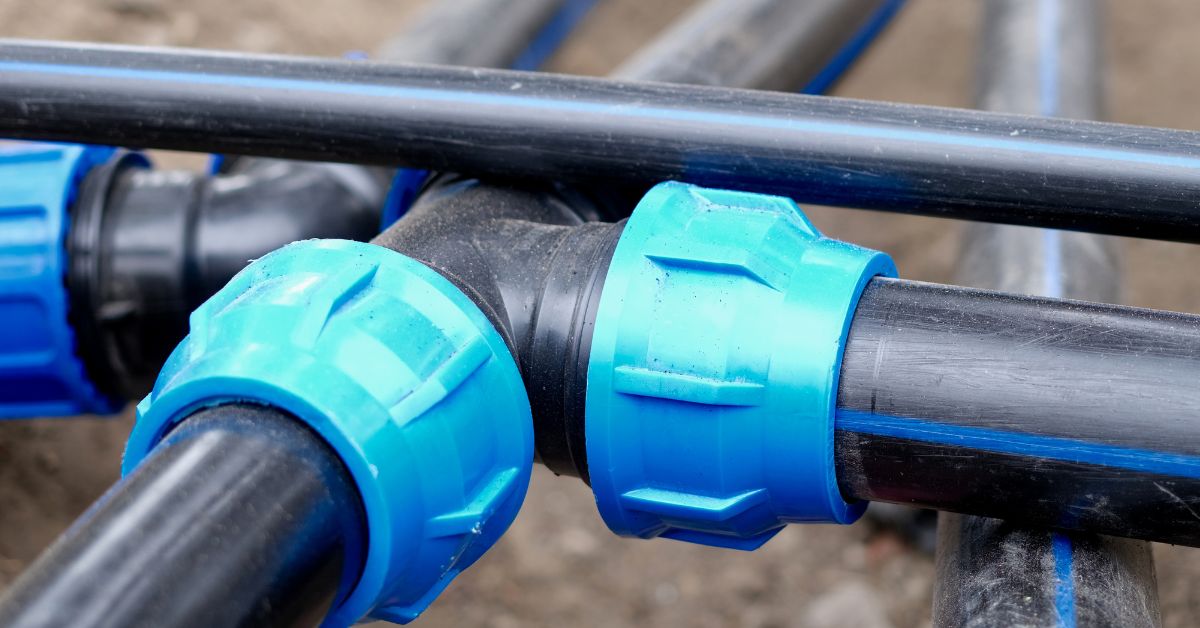
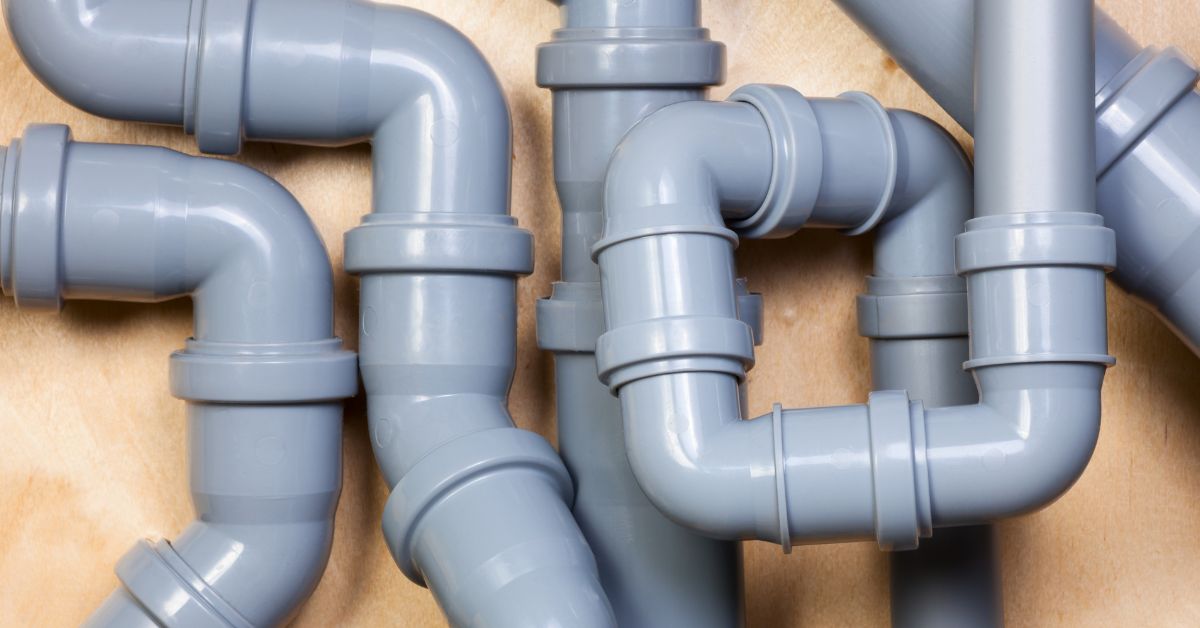
The molded channel carries pipe across a contact area rather than a single line or a hard corner. That matters most for thin-wall HDPE and PVC, where a point load can flatten or ovalize the pipe before it reaches the jobsite.

Reusable and Easy to Stage
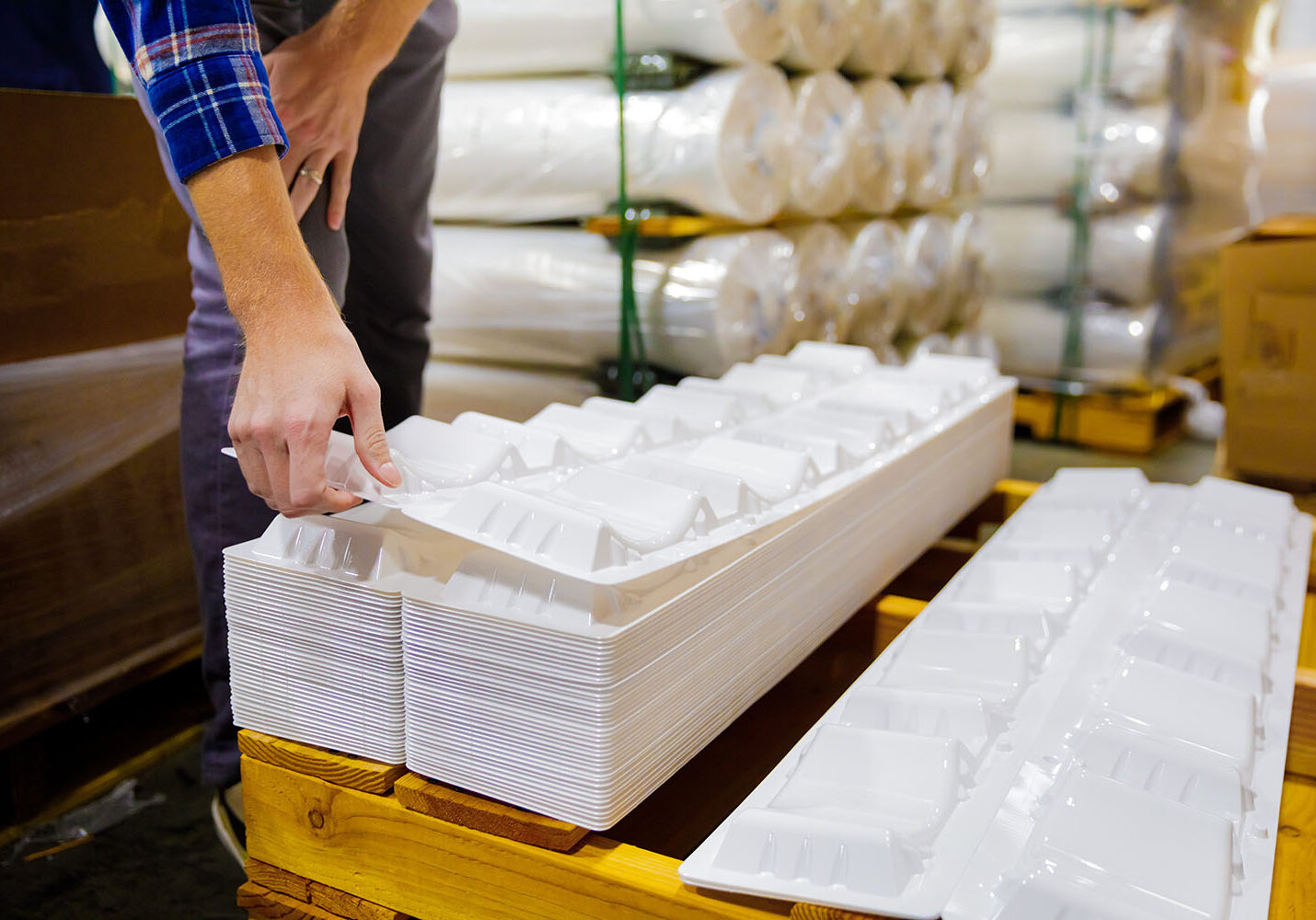
When used properly, our plastic cradles can make multiple trips, and nest far tighter than pulp, so staging inventory stops taking up a full bay of your warehouse.

Crush Resistance Under Stacking
CradlePak holds its shape under stacking pressure, so the product stays in place and protected.

A Cleaner Swap for Wood Dunnage
Notched timber and cut chocks have to be sized, nailed, and inspected, and they splinter and hold moisture. Molded cradles seat the pipe every time with no cutting or fastening. For export loads, plastic cradles also skip the ISPM 15 heat treatment and stamping that wood packaging needs to clear customs.
Compare Roll Cradle Options for Pipe
| Feature | CradlePak Plastic | Wood Dunnage | Foam |
|---|---|---|---|
| Surface against pipe | Smooth molded | Rough, can splinter | Soft, can compress |
| Moisture resistance | Waterproof | Absorbs, rots | Water resistant |
| Keeps pipe from rolling | Molded channel | Needs notching or nailing | Can shift |
| Reusability | Multi-use | Splits, often single-use | Sometimes |
| Nesting footprint | Best-in-class | Bulky | Moderate |
| Export Ready | No ISPM 15 treatment | Requires heat treatment | No ISPM 15 treatment |
Pipes We Protect
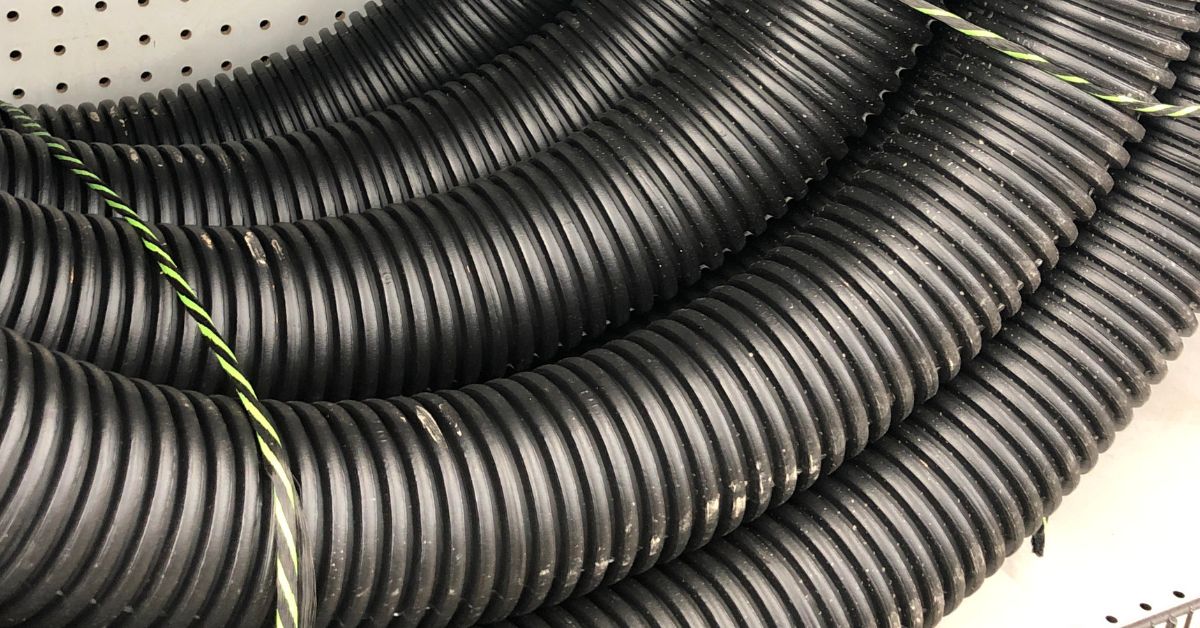
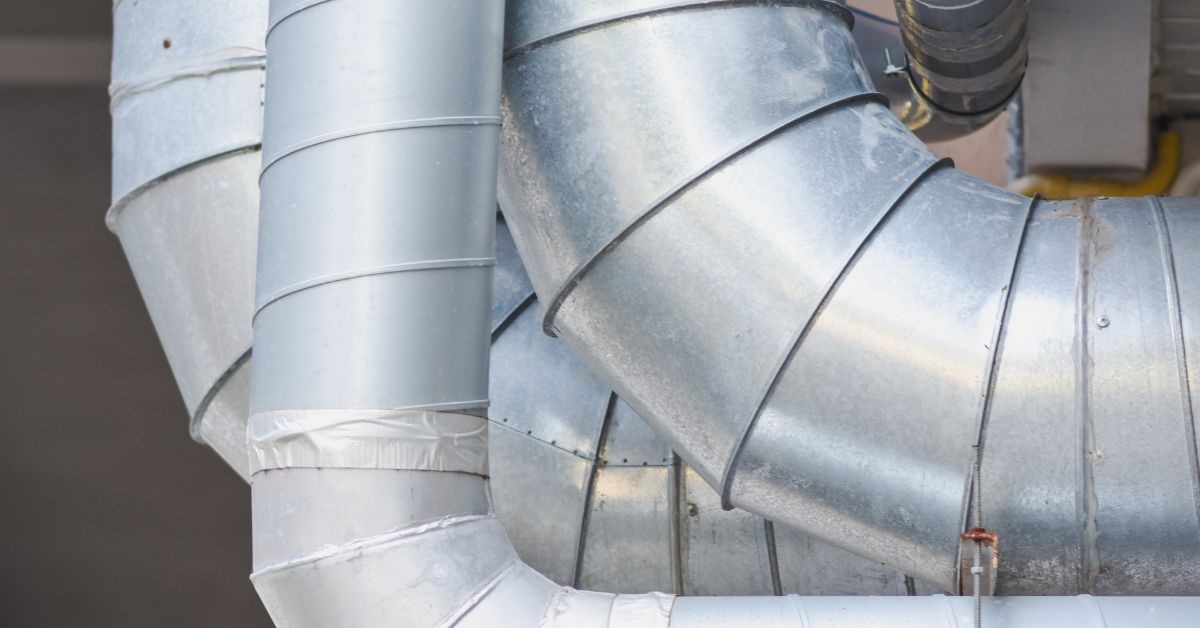
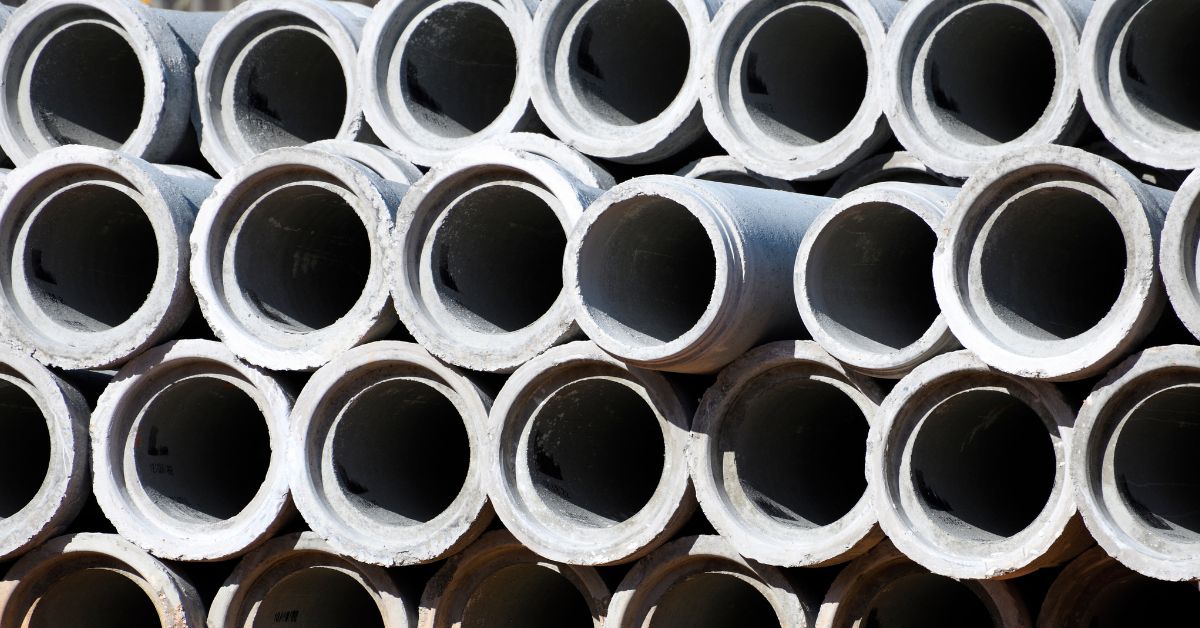
Choosing a Cradle Size for Pipe
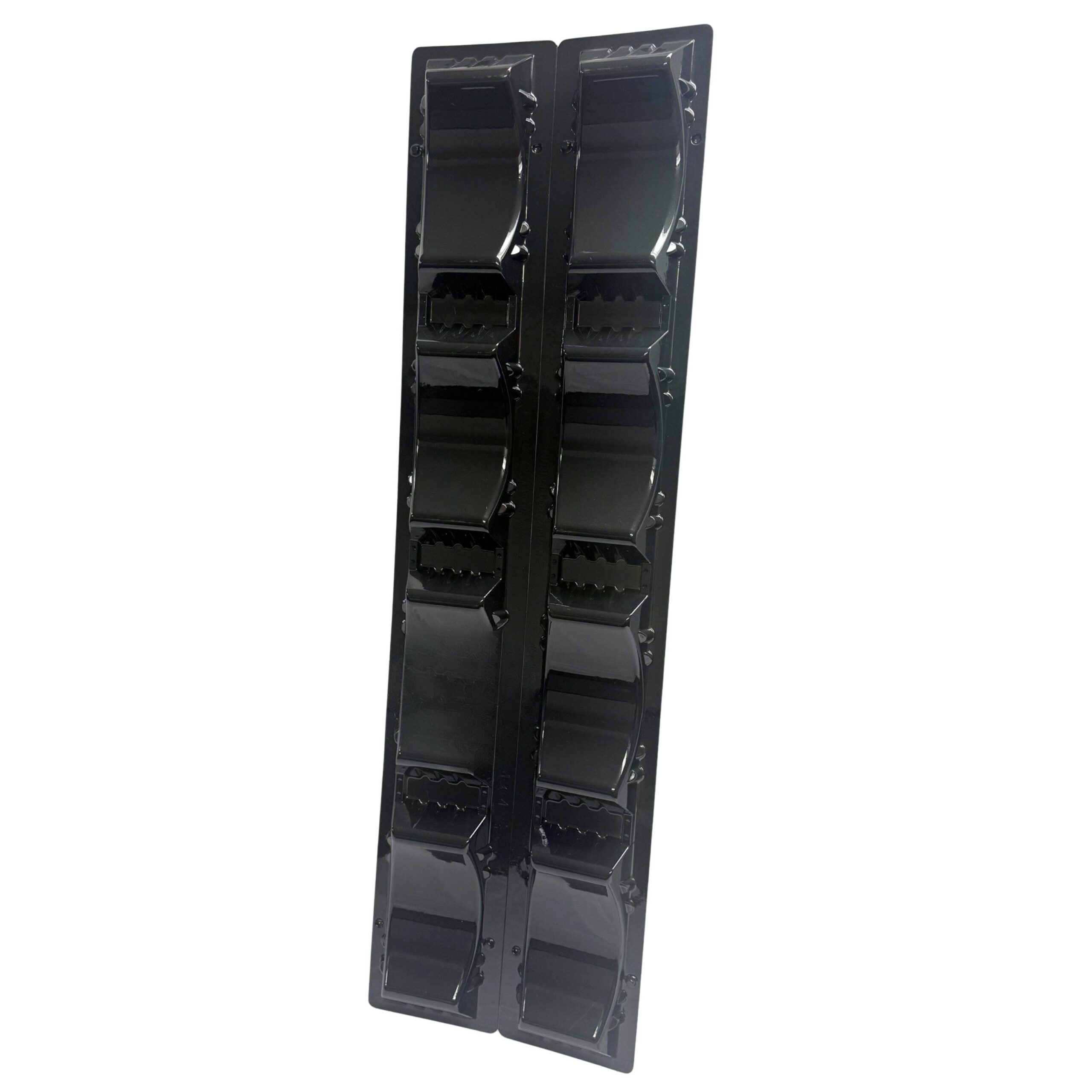
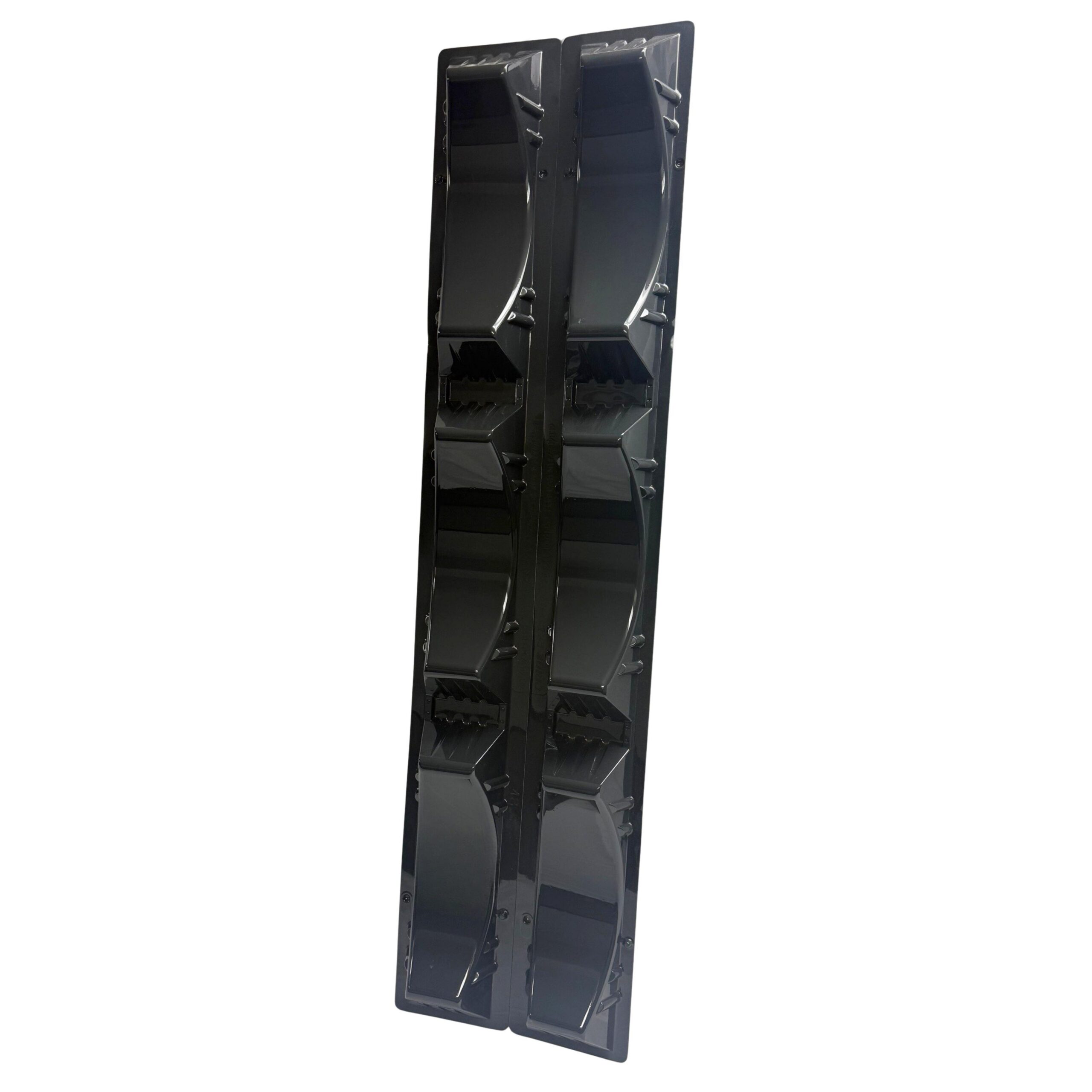
Start with the outside diameter, which sets the cradle profile, then pick the cradle length that supports your pipe or coil. Size so the pipe sits toward the top of the cradle's diameter range for a snug seat, and use your pallet dimensions as the tiebreaker when a diameter falls between two profiles. Most pipe customers land in these sizes:
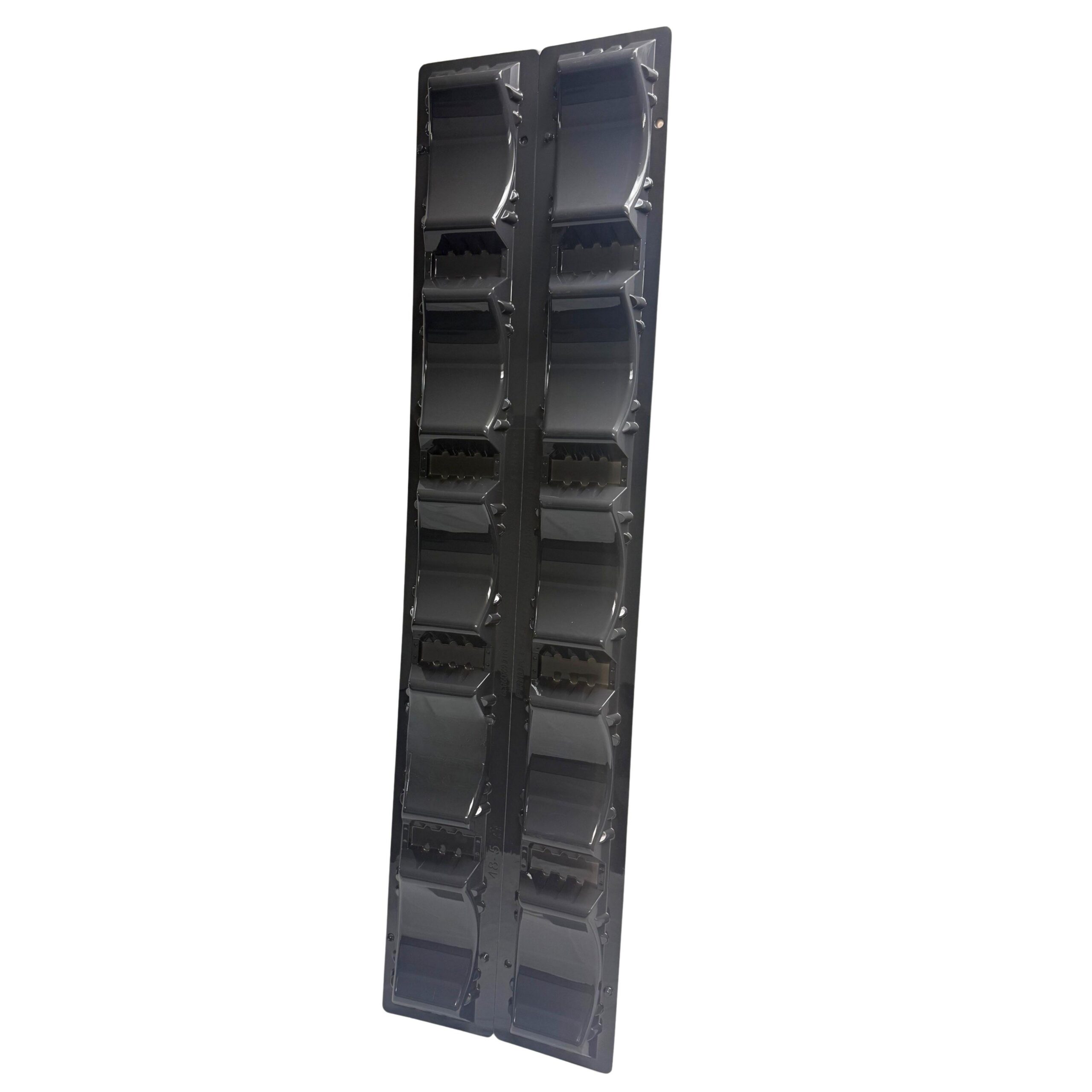
48-5
48 inch · 5-roll
OD 8″ – 9.5″
42-4
42 inch · 4-roll
OD 9″ – 10.5″
48-4
48 inch · 4-roll
OD 10″ – 12″
42-3
42 inch · 3-roll
OD 12″ – 14″
48-3
48 inch · 3-roll
OD 14″ – 16″
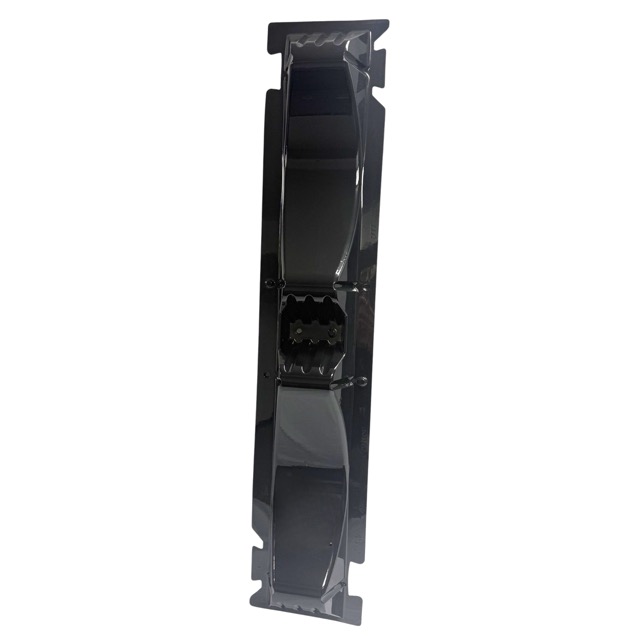
36-2
36 inch · 2-roll
OD 16″ – 18″
42-2
42 inch · 2-roll
OD 18″ – 21″
48-2
48 inch · 2-roll
OD 21″ – 24″

42-4LP / 48-4LP
4-roll with lip
For rolls needing lateral support

Technical Specs
- Thermoformed PET, 0.06 inch standard wall thickness
- Load capacity up to 6000 lbs. per bottom cradle pair, varying by roll material and pallet configuration
- UV- and moisture-resistant
Handling
- Denesting flutes for fast separation
- Perforated pairs separate into singles for the top and bottom layers of a pallet
Pricing Factors for Roll Cradles
Our pricing depends on several factors:
- Cradle Size: Larger profiles use more material per unit.
- Order Volume: Higher quantities lower the per-unit cost.
- Roll Weight and Configuration: Pallet specs and/or heavier goods may call for a different profile.
- Freight Distance: Compact nesting keeps shipping cost down, and our Yakima plant shortens the haul for West Coast customers.
- Reuse Cycle: Cradles that come back for a second and third trip change the per-shipment math.
Contact us for a quote based on your roll dimensions and shipping volume.

Why Choose Tamarack?
Made in the USA
Every CradlePak is thermoformed at our plant in Yakima, WA. Domestic production means shorter lead times, direct communication, and no overseas freight schedule between you and your packaging.
Recycled and Recyclable
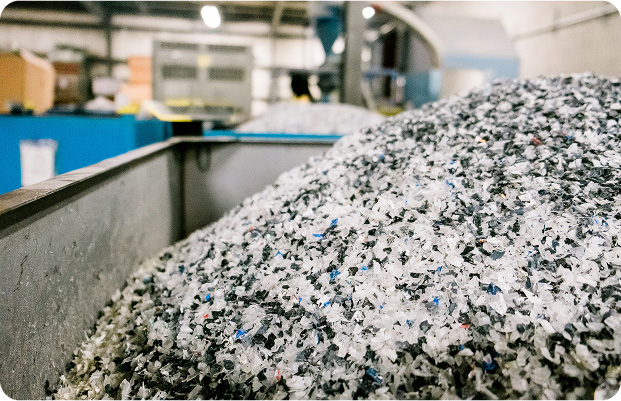
CradlePak is made from recycled PET, Recycling Code #1, which takes 79% less energy to produce than virgin plastic. Send used cradles back to us or drop them at any PET recycling facility, which removes the disposal line item that cut lumber and foam add.

Sample Before You Switch
We’re happy to send you samples! Request a sample pack, put it under your pipe, and see how the cradles hold the load and save space before you place an order.
Put Your Pipe in a Cradle Made for It
Send us your pipe outside diameter, weight, and stacking configuration. We will match a cradle size, quote pricing and lead time, and get samples out so you can test them in your own process before you commit.
Send roll OD, weight, and pallet configuration
We match a cradle size and quote pricing and lead time
Samples ship out so you can run them on your line
Frequently Asked Questions
PET has a smooth, sealed face with nothing to abrade the surface, so coated steel, painted, powder-coated, and plastic pipe come out unmarked. That is the main reason pipe shippers move off cut timber and rough dunnage.
Start with your pipe or coil outside diameter, which sets the cradle profile, then choose the cradle length that matches your stacking and pallet dimensions. Most pipe falls in our 42 inch and 48 inch length cradles, which cover 6 inch to 48 inch diameters. Send us your dimensions and we will confirm the match.
Yes. Each bottom cradle pair supports up to 6,000 lbs., with actual capacity varying by pipe material and stacking configuration.
Yes. The cradles do not absorb water, so rain, yard humidity, and container condensation will not degrade the support or transfer moisture into the pipe.
Yes. Each pipe or coil seats in a molded channel by its outside diameter, which holds the load in place through handling, stacking, and transit.
Yes. When used correctly, CradlePak can withstand repeat trips from mill to distributor to jobsite.
Yes. Request a sample pack to test with your pipe before placing a full order.