
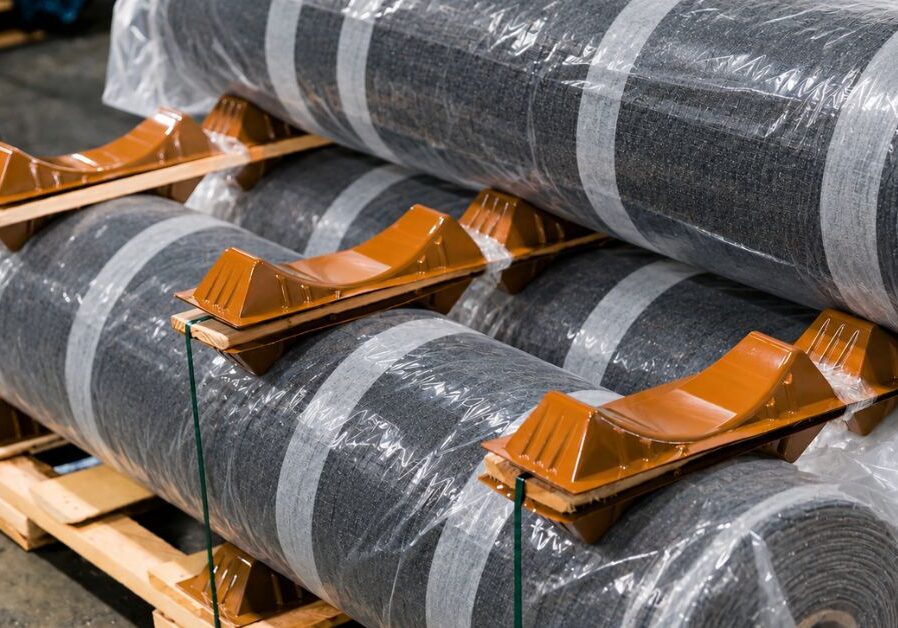
Ordering Roll Cradles for Roofing Materials
Getting the right cradle under your rolls takes four steps.
Pros of Roll Cradles for Roofing Materials
Roofing rolls fail in ways that trace back to the support underneath them.

Outdoor Storage Without Packaging Breakdown
Roofing distribution is an outdoor business. Pallets stage in yards, on gravel, under tarps, and through rain before anything moves to a jobsite. Pulp cradles absorb that water, lose structure, and collapse under the pallet they were holding up. Plastic does not absorb, so a cradle that went into the yard in March is still doing its job in May.

No Fiber Contamination on Adhesive Surfaces
Self-adhered membranes, ice and water shield, and peel-and-stick underlayment all depend on a clean bonding surface. Molded pulp sheds particles, and those particles land on the selvage edge and the adhesive face. A contaminated seam can lead to a leak two years later, and the roofer will not know why.

Edge Protection That Prevents Seam Failure
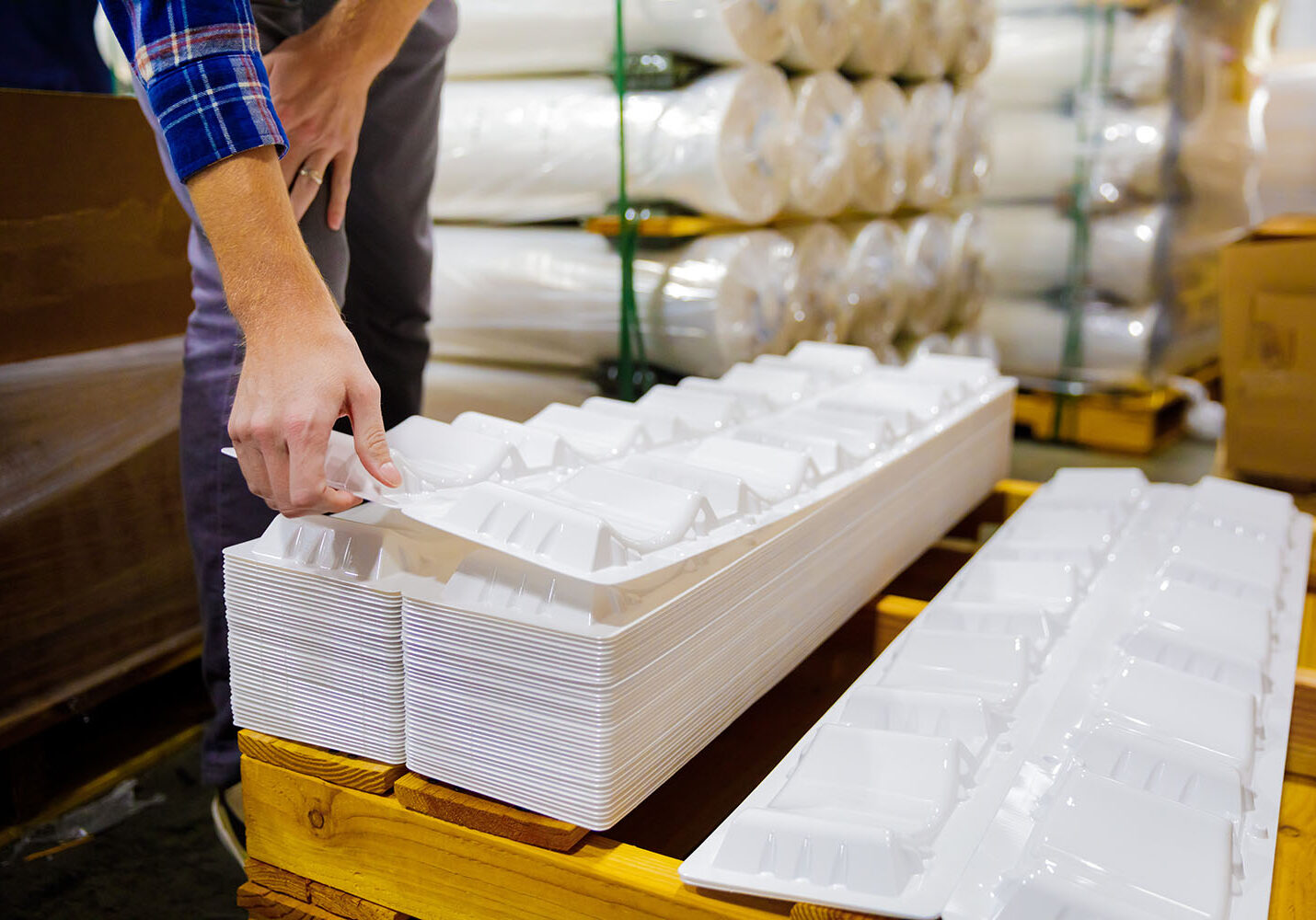
The molded channel spreads weight along the roll body rather than concentrating it at the ends. Crushed and deformed roll edges are the part of the roll that becomes the seam, and a roll that arrives with a flattened edge either gets trimmed back or gets installed with a compromised lap.

Crush Resistance Under Heavy Loads
Modified bitumen rolls are dense. A support that compresses lets upper rolls settle into the ones below, distorting cores and making rolls harder to handle with a boom or a hoist at the jobsite. CradlePak holds shape under stacking pressure, so the pallet comes off the truck the way it was built.

UV Resistance in the Yard
Our cradles are UV-resistant, which means sustained sun exposure does not turn the packaging brittle while the material inside it waits to ship.

Reusable Through the Distribution Loop
Roofing material moves manufacturer to distributor to contractor. A durable plastic cradle has good potential to survive that loop and come back for another run. Pulp rarely makes a second trip, and every trip it does not make is a cost you absorb.

Nesting That Clears Yard Space
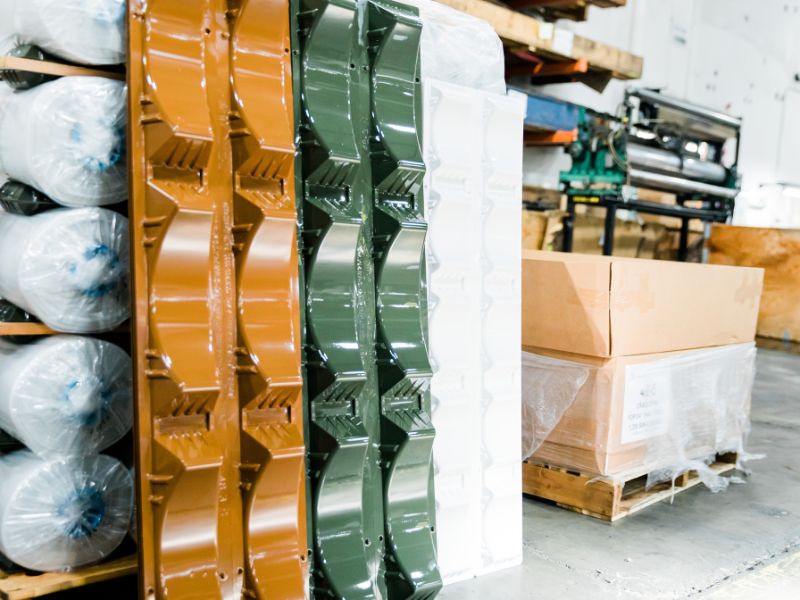
Empty CradlePaks stack far tighter than pulp. Roughly 2,400 CradlePaks occupy the same footprint as 360 pulp cradles, which matters when your yard space is already the constraint on how much inventory you can carry.
Compare Roll Cradle Options for Roofing
| Feature | CradlePak Plastic | Pulp / Fiber | Foam |
|---|---|---|---|
| Outdoor storage performance | Holds up in weather | Breaks down when wet | Degrades under UV |
| Moisture resistance | Waterproof | Absorbs water | Water resistant |
| Crush resistance under heavy rolls | Crush-resistant | Tears and collapses | Compresses over time |
| Fiber transfer onto adhesive surfaces | None | Sheds dust | Can leave residue |
| Reusability | Multi-use | Rarely | Sometimes |
| Nesting footprint | Best-in-class | Moderate | Moderate |
| Disposal cost | Low or none | Moderate | Moderate |
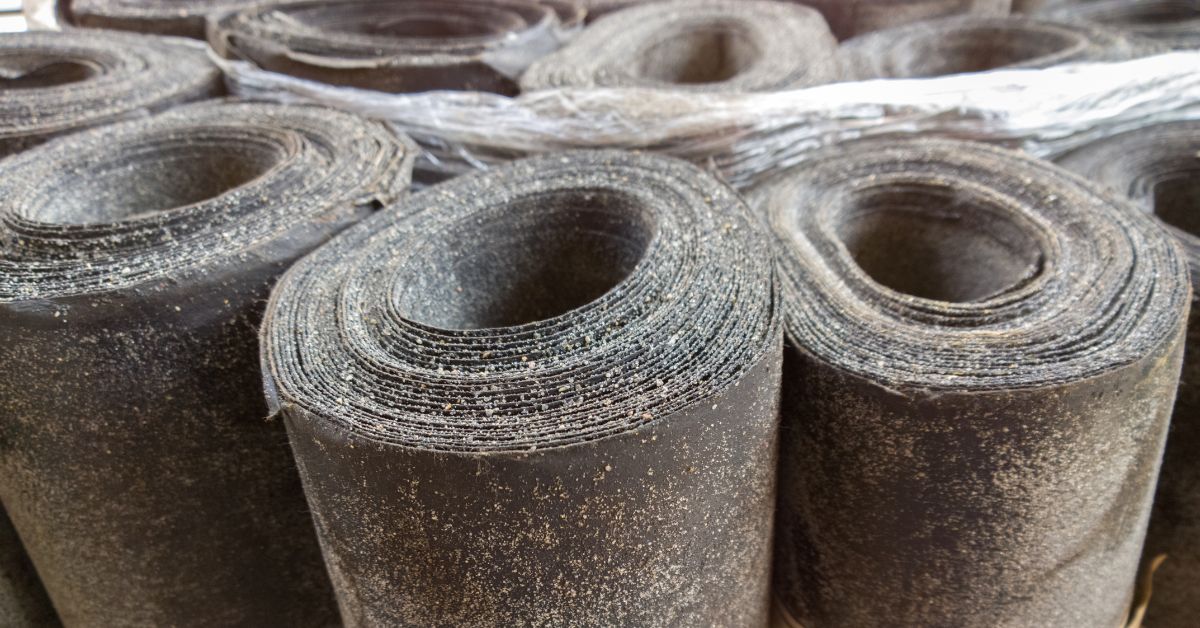
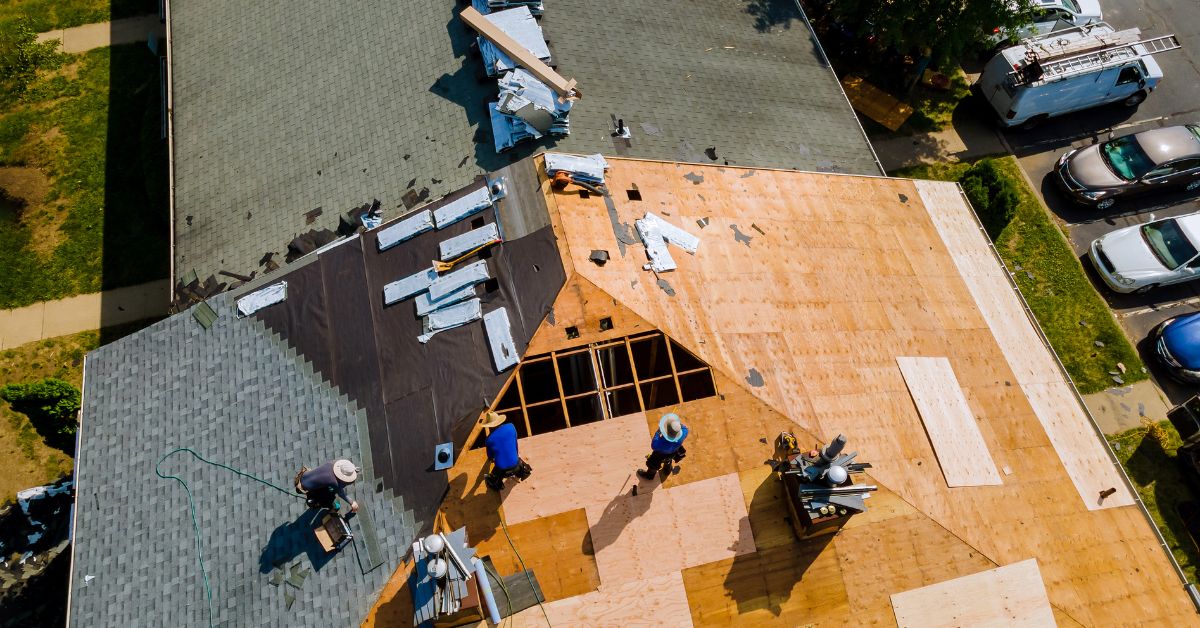
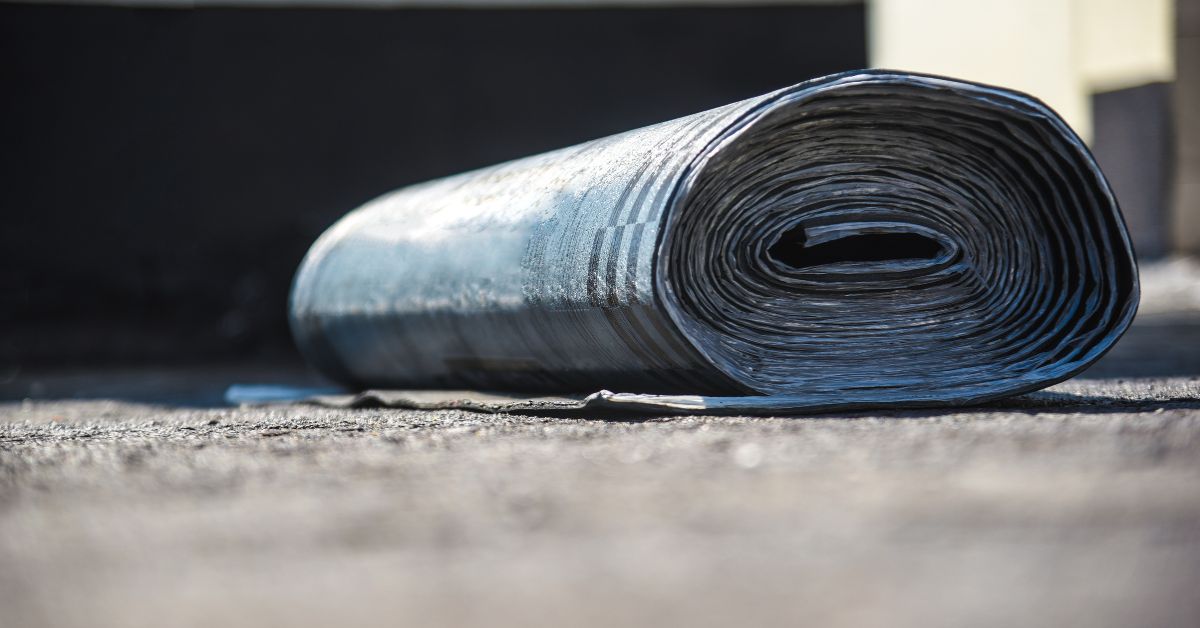
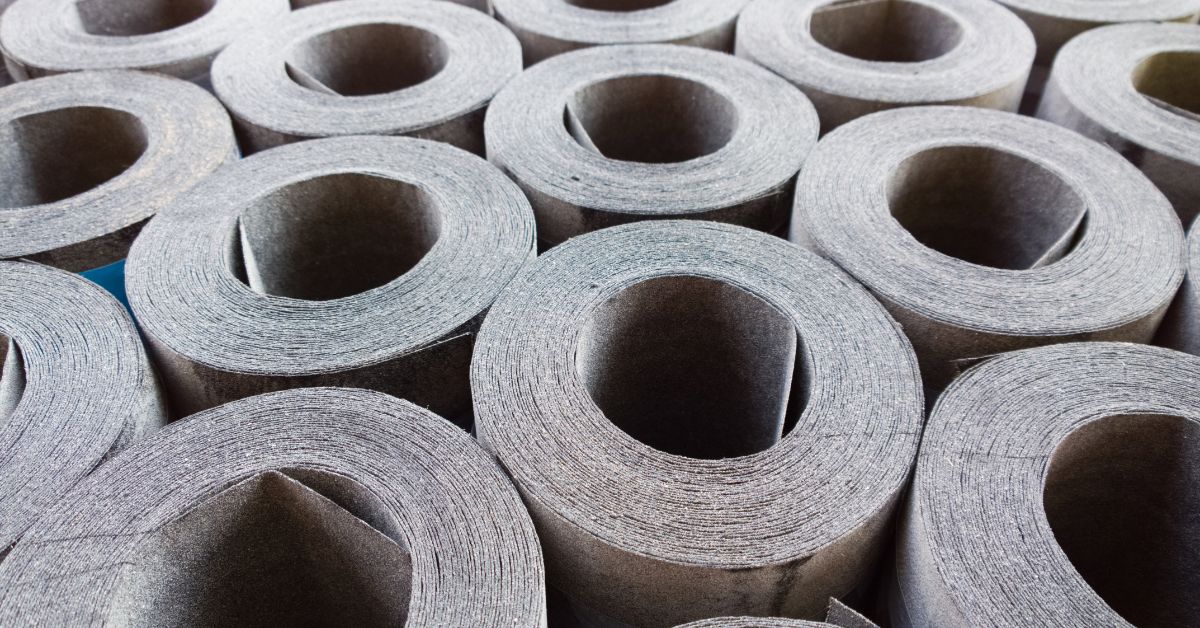
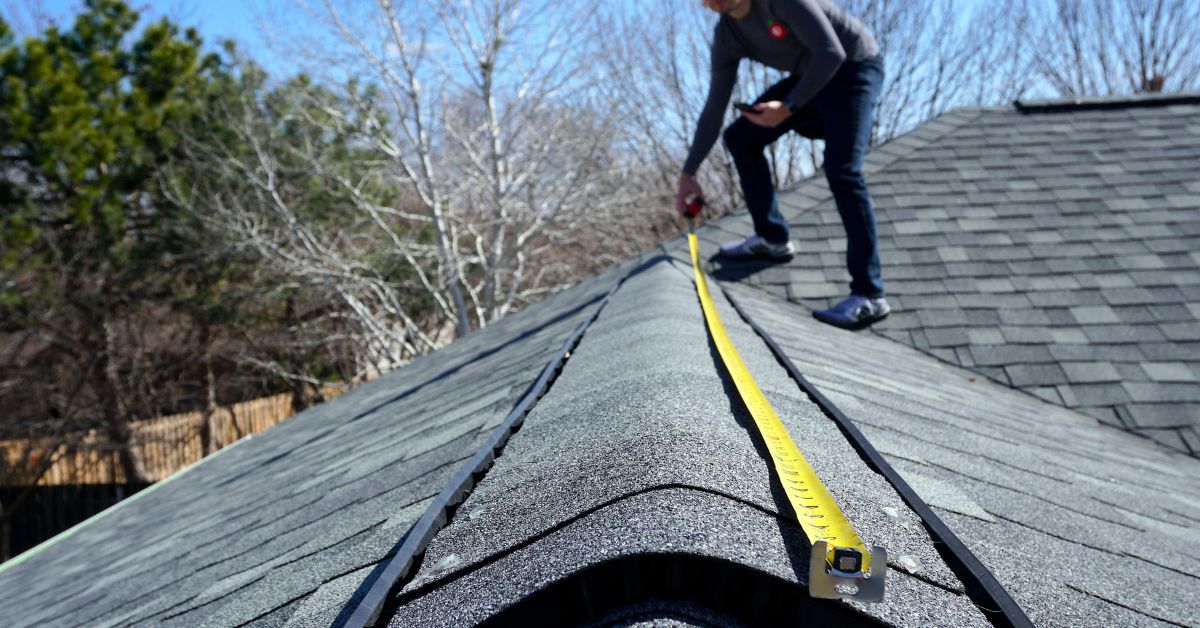
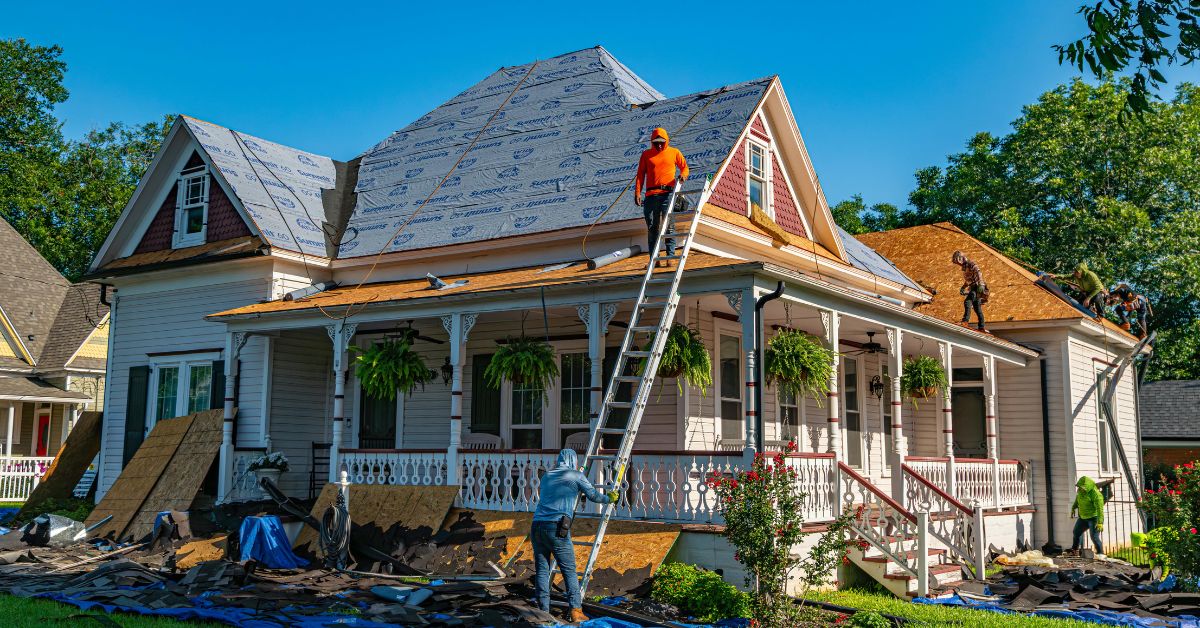
Roofing Materials We Support
Choosing a Cradle Size for Roofing Rolls
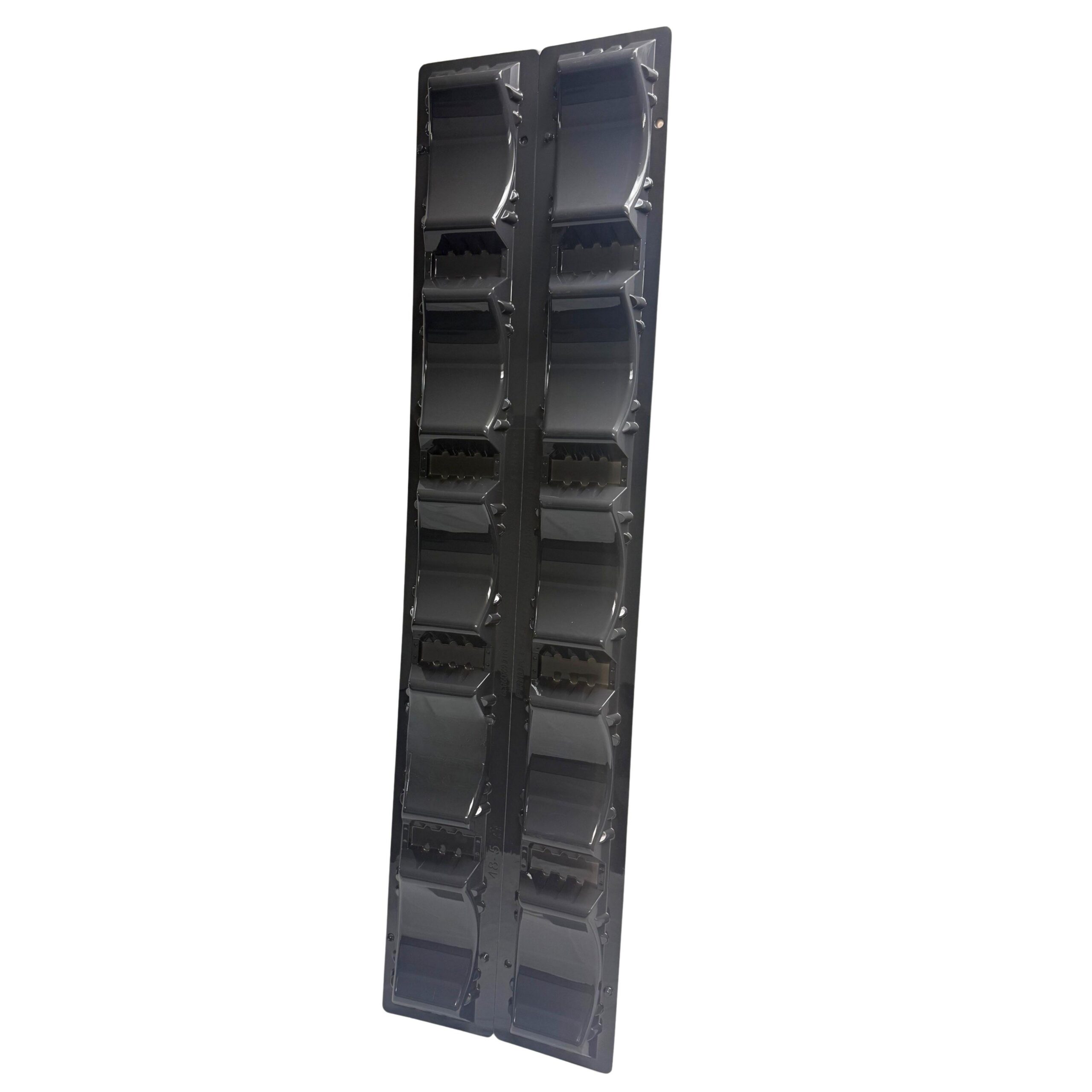
Start with the outside diameter, which sets the cradle profile, then pick the cradle length that supports your roll width. Most roofing customers land in these sizes:
42-3
42 inch · 3-roll
OD 12″ – 14″
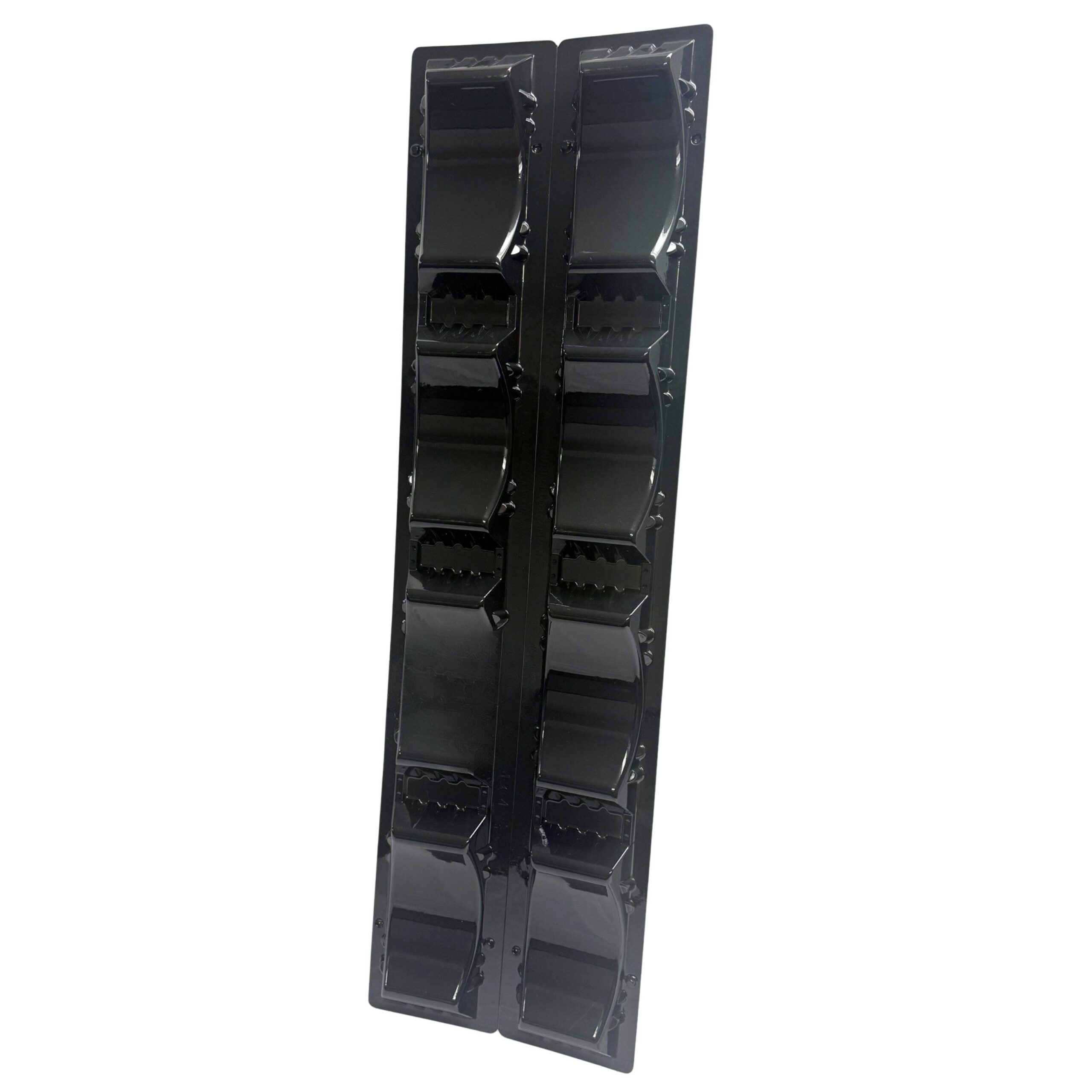
43-3
48 inch · 3-roll
OD 14″ – 16″
36-2
36 inch · 2-roll
OD 16″ – 18″
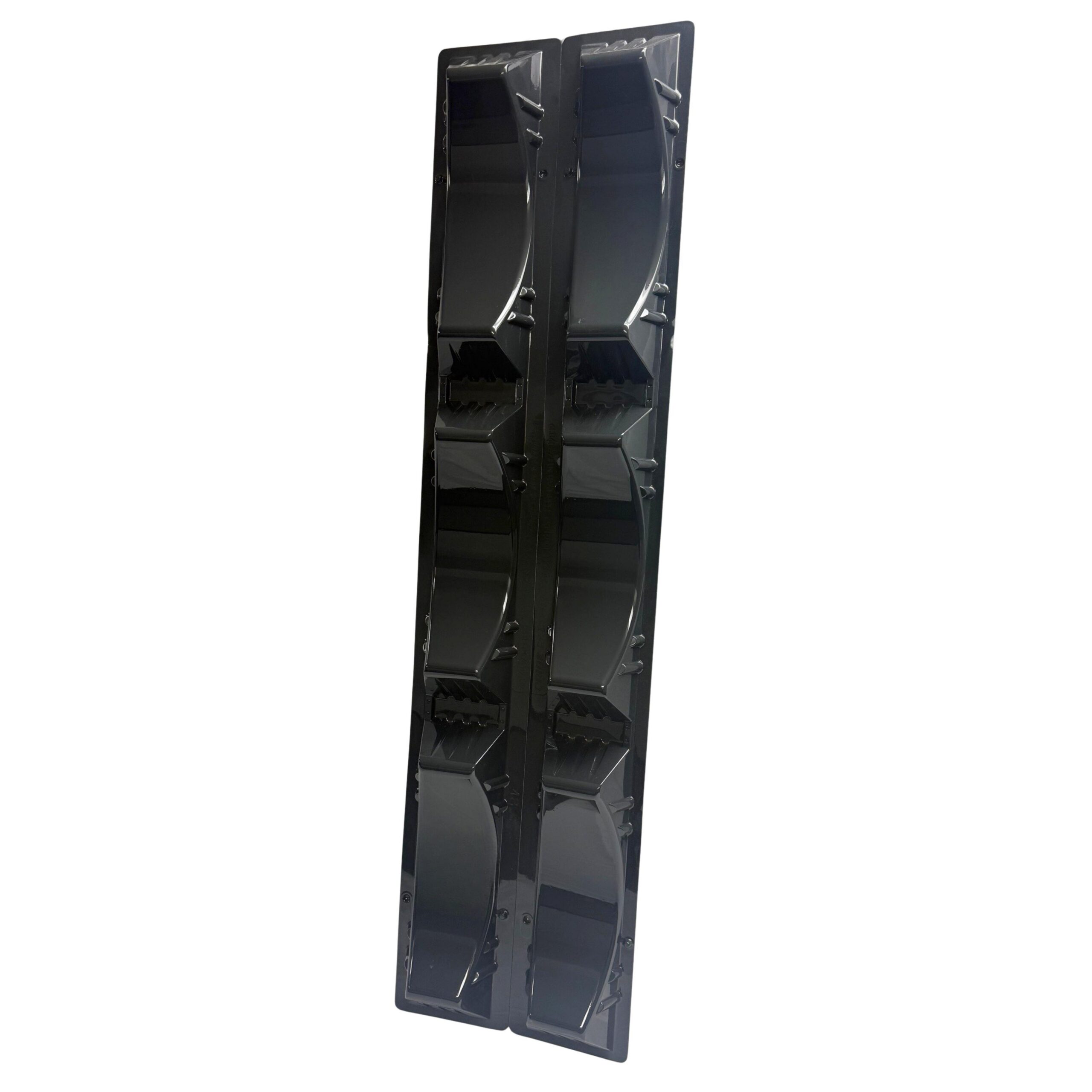
42-2
42 inch · 2-roll
OD 18″ – 21″
48-2
48 inch · 2-roll
OD 21″ – 24″
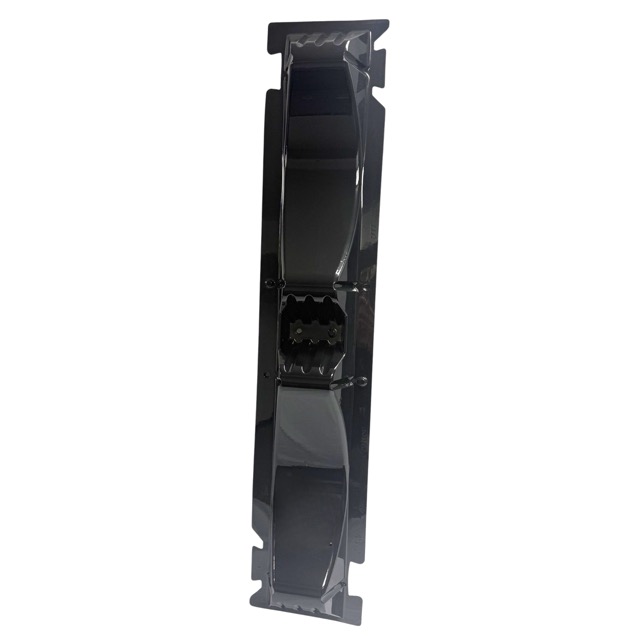
36CSC
36 inch continuous support
OD 28″ – 36″
36-1 and 48-1
42 inch · 2-roll
single-roll cradles for large-diameter rolls up to 48 inches

Technical Specs
- Thermoformed PET, 0.06 inch standard wall thickness
- Load capacity up to 6000 lbs. per bottom cradle pair, varying by roll material and pallet configuration
- UV- and moisture-resistant
- Denesting flutes for fast separation
- Perforated pairs separate into singles for the top and bottom layers of a pallet
Handling
- Denesting flutes for fast separation
- Perforated pairs separate into singles for the top and bottom layers of a pallet
Pricing Factors for Roll Cradles
Our pricing depends on several factors:
- Cradle Size: Larger profiles use more material per unit.
- Order Volume: Higher quantities lower the per-unit cost.
- Roll Weight and Configuration: Pallet specs and/or heavier goods may call for a different profile.
- Freight Distance: Compact nesting keeps shipping cost down, and our Yakima plant shortens the haul for West Coast customers.
- Reuse Cycle: Cradles that come back for a second and third trip change the per-shipment math.
Contact us for a quote based on your roll dimensions and shipping volume.

Why Choose Tamarack?
Made in the USA
Every CradlePak is thermoformed at our plant in Yakima, WA. Domestic production means shorter lead times, direct communication, and no overseas freight schedule between you and your packaging.
Recycled and Recyclable
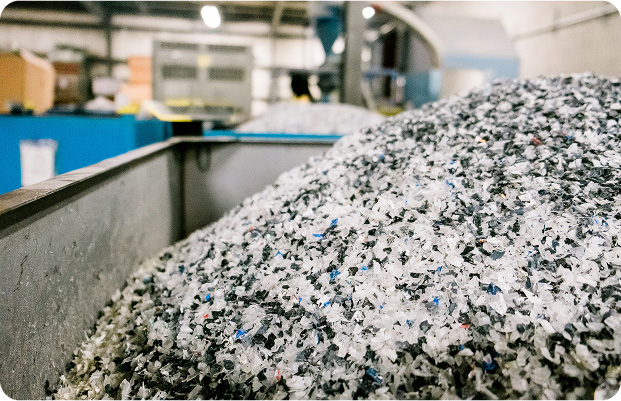
CradlePak is made from recycled PET, Recycling Code #1, which takes 79% less energy to produce than virgin plastic. Send used cradles back to us or drop them at any PET recycling facility, which removes the disposal line item that pulp and foam add.

Sample Before You Switch
We’re happy to send you samples! Request a sample pack, run it on your line, and see how the plastic cradles save space, time and hold your rolls before placing an order.
Put Roofing Rolls in a Cradle That Holds Up Outdoors
Send us your roll width, outside diameter, weight, and pallet configuration. We will match a cradle size, quote pricing and lead time, and get a sample out so you can test it before you commit.
Send roll OD, weight, and pallet configuration
We match a cradle size and quote pricing and lead time
Samples ship out so you can run them on your line
Frequently Asked Questions
Yes. CradlePak is UV- and moisture-resistant, so sun and rain do not break down the cradle the way they break down pulp. That is the main reason roofing distributors move off fiber.
Yes. Each bottom cradle pair supports up to 6,000 lbs., with actual capacity varying by roll material and how the pallet is configured. Send us your roll weight and we will confirm the profile.
No. PET has a smooth, sealed surface with no fibers to shed onto the adhesive face or the selvage edge.
Start with your roll’s outside diameter. Standard mod bit and underlayment rolls usually fall in our cradles that accommodate 36 inch to 42 inch rolls. Send us your dimensions and we will confirm.
Yes. When used properly, CradlePak can be usedfor repeat trips from plant to distributor to jobsite.
Yes. When used correctly, CradlePak can withstand repeat trips from mill to printer to converter.
Yes. Request a sample pack and stage it under your own rolls before placing a full order.